KYNTSU / THE REFORGED

Not defined by what broke them.
Defined by what they built after.

Stories about fracture, resilience and what we choose to become.

EDITORIAL ARCHETYPES. NOT CUSTOMER TESTIMONIALS. STORIES AND VISUALS ARE CREATED FOR ILLUSTRATIVE PURPOSES.

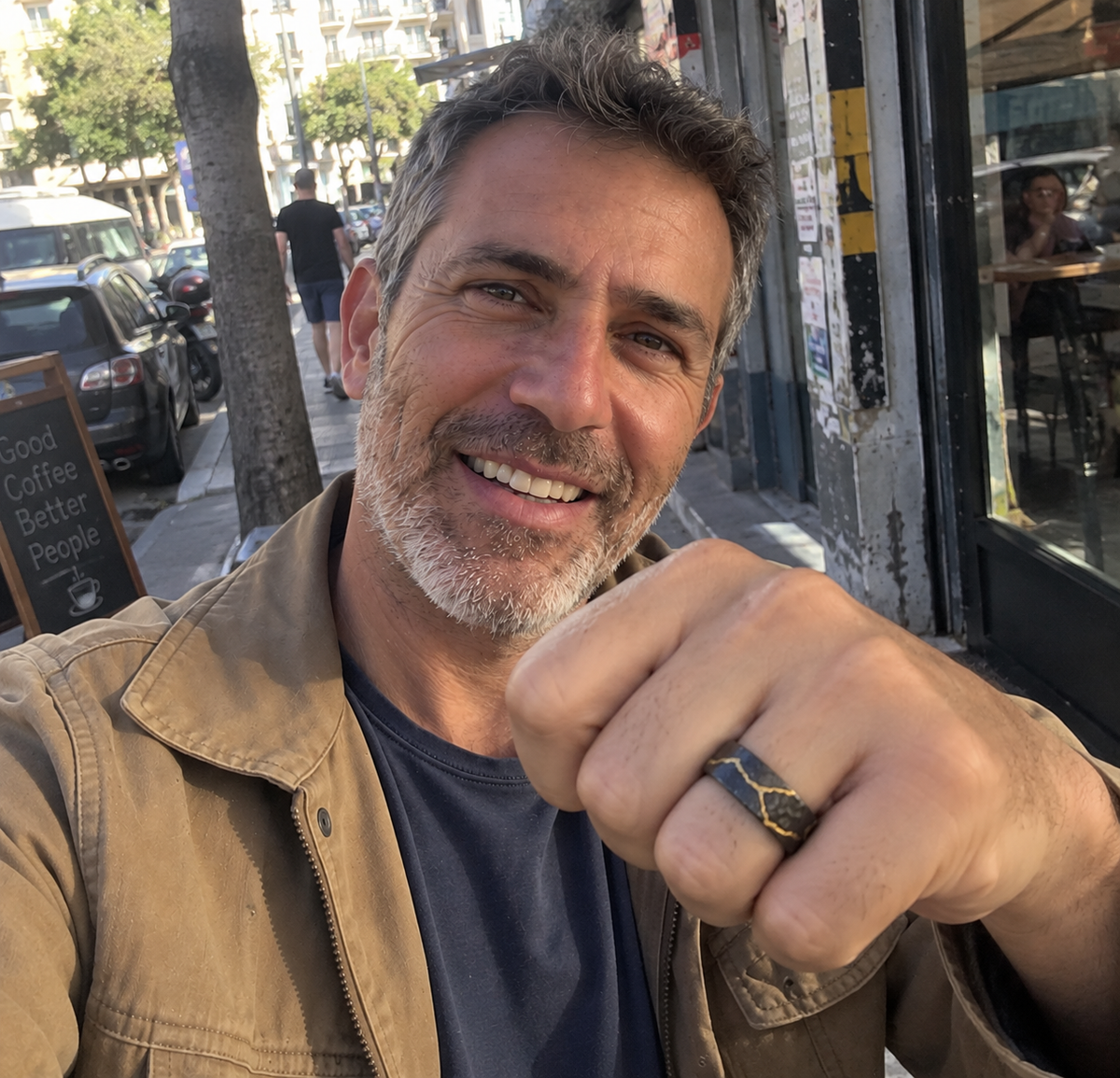
THE FOUNDERTHE FOUNDER

THE FOUNDER

“I lost the company I had spent ten years building. For a while, I thought that meant I had lost myself too.”

When the company disappeared, the title was gone too. What remained was the person beneath it.

Ten years of building a company came to an abrupt end. The loss was bigger than money. It was identity, routine and a future that had already been imagined.

For a while, the instinct was to rebuild exactly what had been lost. Eventually, the realization came that starting again did not mean going back. It meant choosing what deserved to be built next.

The lesson was simple: what breaks us does not have to define us. What matters is what we build after.

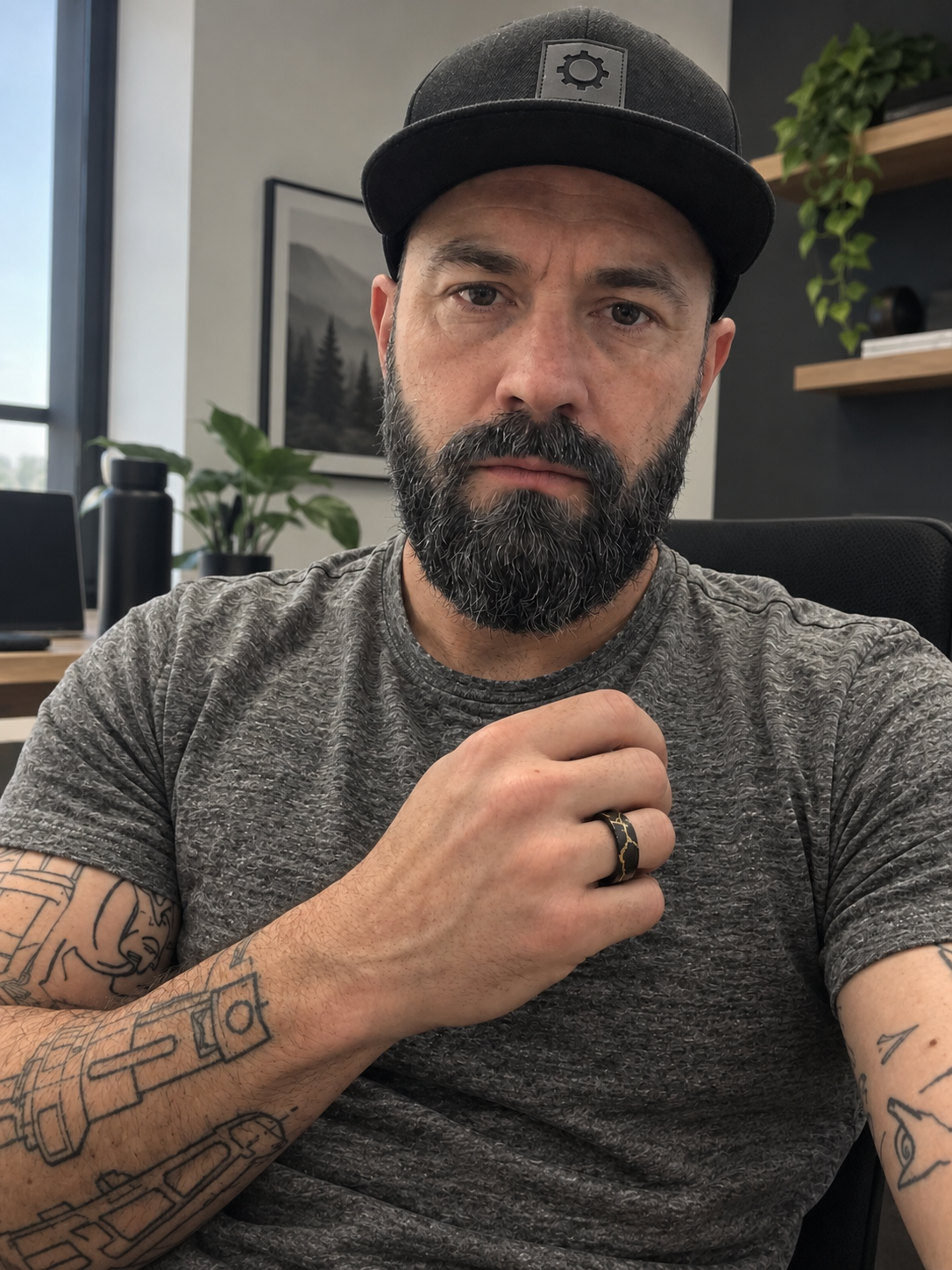
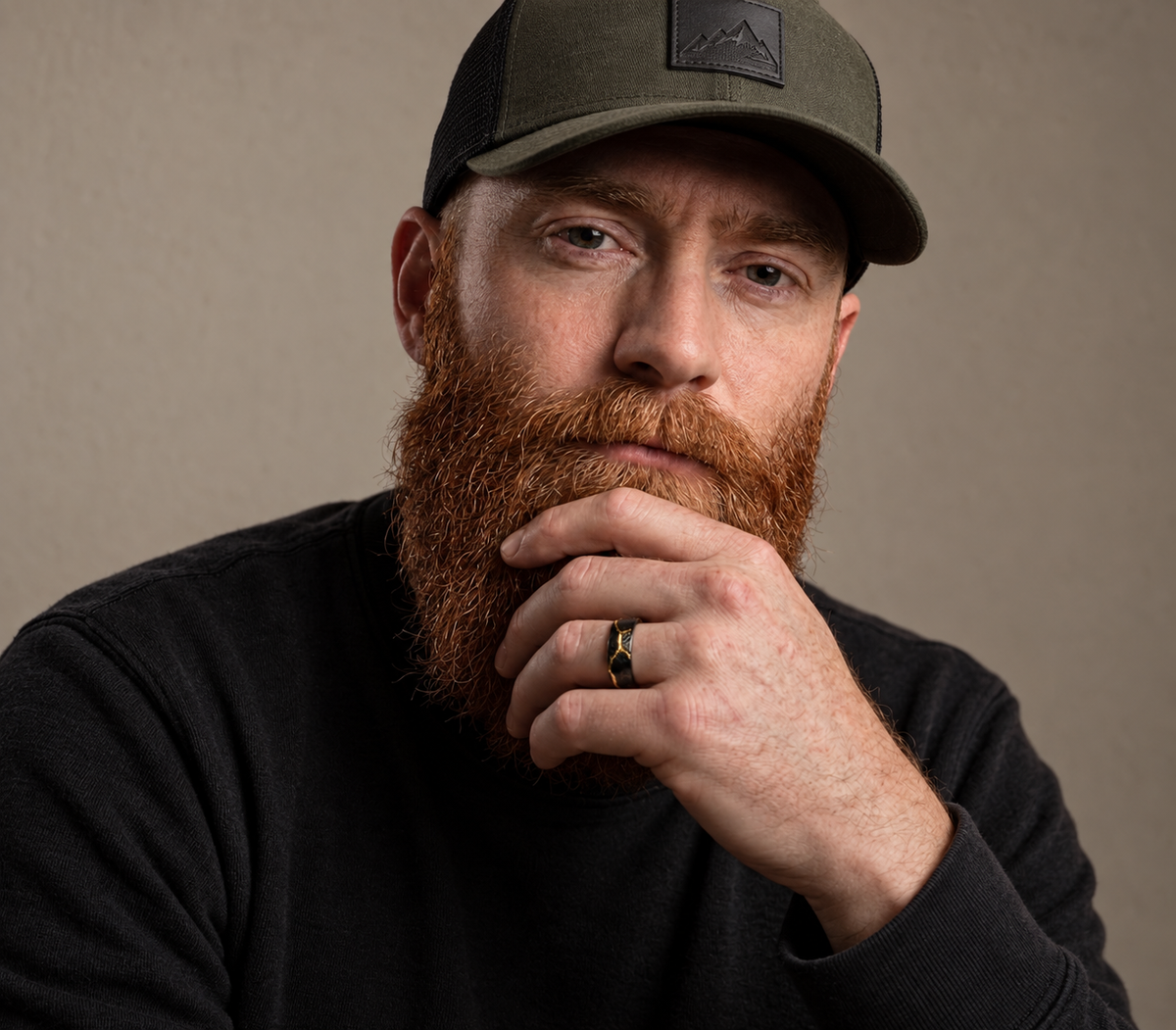
THE FATHERTHE FATHER

THE FATHER

“I was working for the life I wanted to give my family, and somehow I was missing the life itself.”

A life built around providing can lose sight of the people it was built for.

Providing had become the measure of success. Work filled the calendar, while the moments that mattered kept getting pushed to later.

There was no single dramatic event. One quiet question from a child exposed how much life had been postponed.

The reset was choosing presence over another achievement and realizing that being there was the life being built all along.

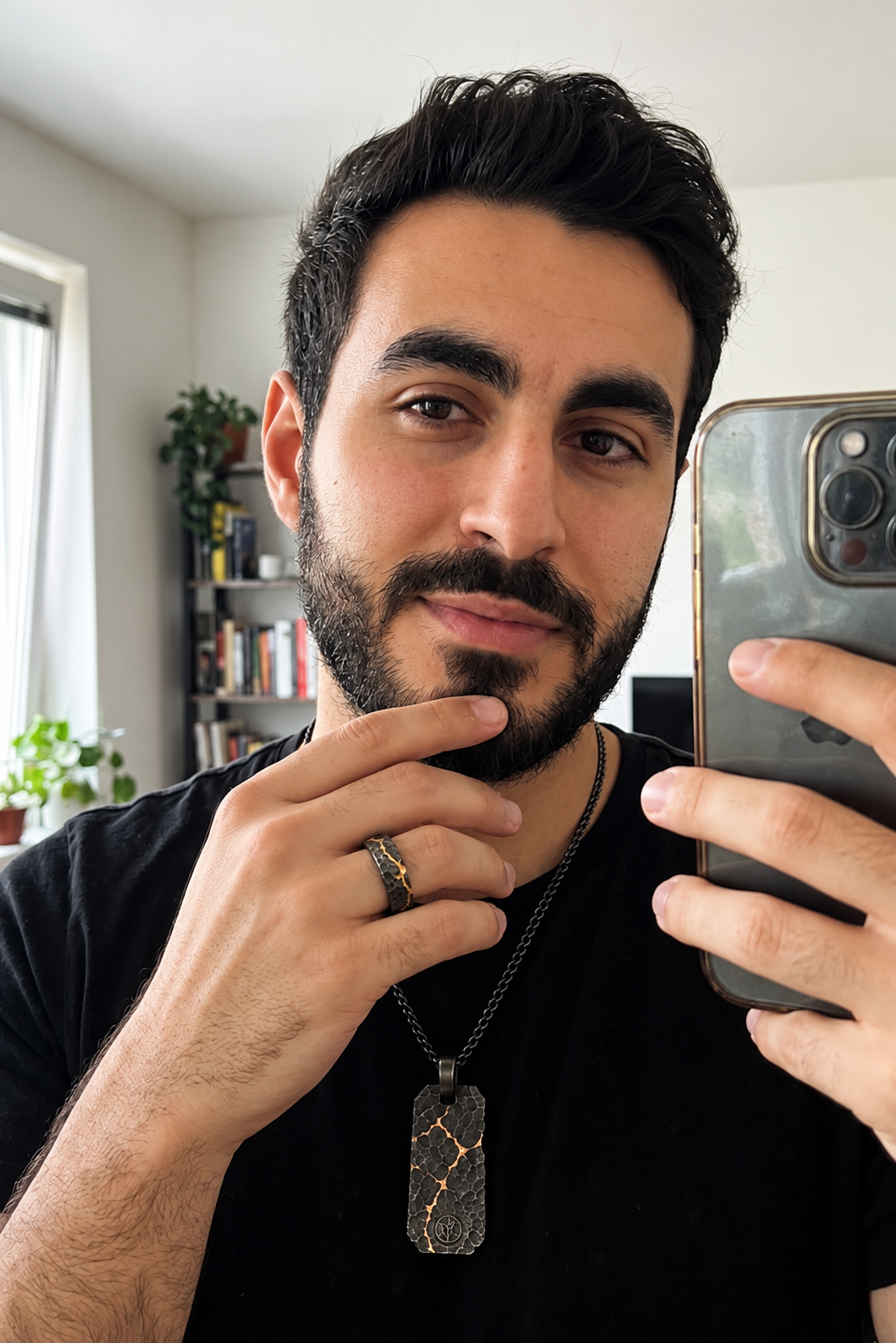
THE PARTNERTHE PARTNER

THE PARTNER

“The hardest part was not losing her. It was waking up every day in a world that still expected me to be the same person.”

After sudden loss, rebuilding and remembering can exist together.

A sudden loss changed the shape of an entire life. There was no warning, no final conversation and no time to prepare for what came next.

For a long time, the days continued on instinct. Work continued. Friends tried to help. The world kept moving while everything felt suspended.

Eventually, rebuilding began with small things: showing up for the people who mattered, allowing memory to remain and accepting that imagining a future does not mean forgetting the past.

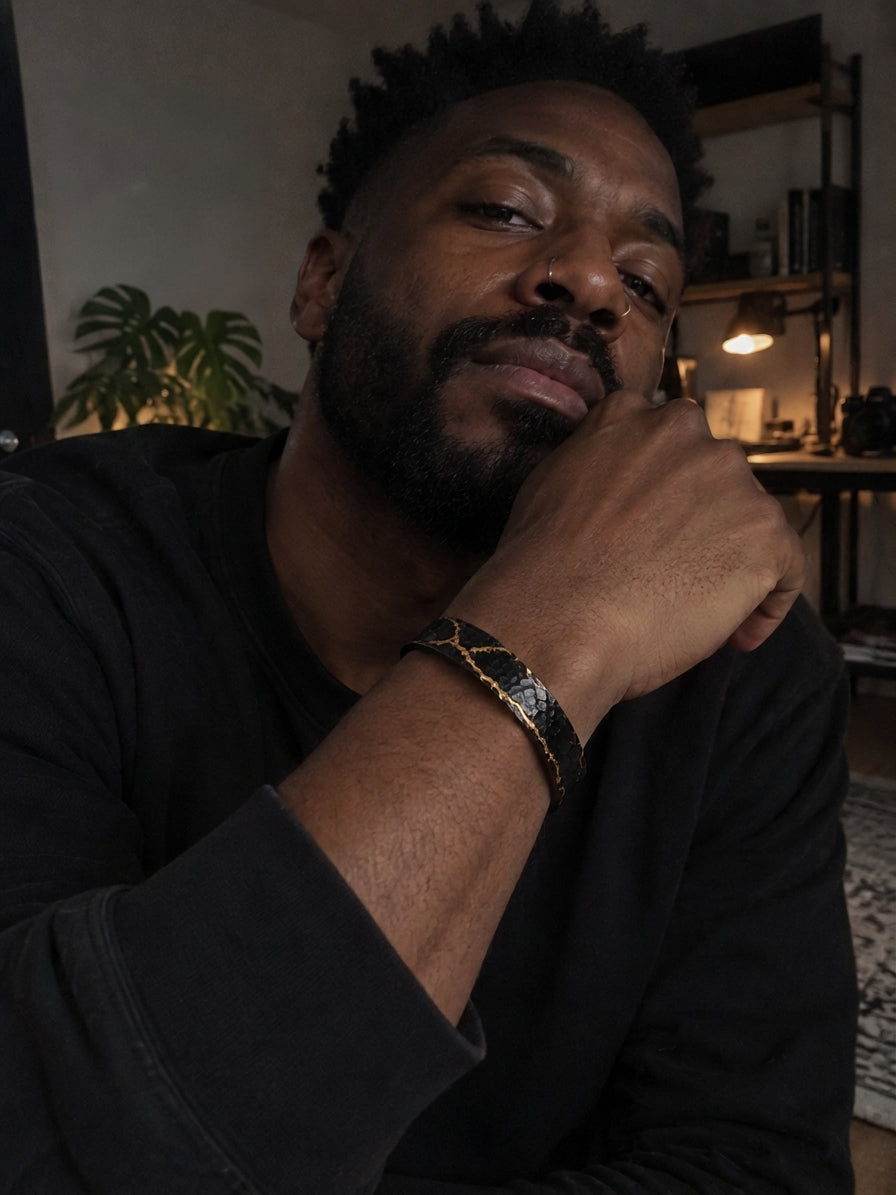
THE REBUILDERTHE REBUILDER

THE REBUILDER

“I wanted to forget what broke. Instead, I learned to live with what remained.”

After a life-changing ending, the past can be carried forward without defining what comes next.

An unexpected ending can divide a life into before and after. The hardest part is often not the event itself, but separating what was shared from what remains personal.

Starting over can be ordinary: sorting through old memories, redefining home and accepting that the past does not need to disappear for the future to begin.

Rebuilding is not forgetting. It is deciding what is worth carrying forward.

THE RESETTHE RESET

THE RESET

“Losing the job hurt. Realizing how much of my identity was tied to it hurt more.”

A career collapse can force a person to separate identity from the plan they built.

A career that seemed mapped out years ahead ended in a single meeting. The hardest part was not the next job. It was the sudden absence of a role that had become part of identity.

Starting again meant accepting that status and titles were never the whole measure of worth.

The next chapter became quieter, with more time for the people and things that had been postponed.

THE BROTHERTHE BROTHER

THE BROTHER

“I still think about the last message he sent me. Some days it feels like yesterday.”

After losing someone close, rebuilding does not mean leaving that person behind.

Time did not make the absence smaller. Instead, grief became something to carry rather than something to defeat.

Returning to ordinary life meant carrying memory forward and allowing that memory to remain part of a life that continued.

THE SURVIVORTHE SURVIVOR

THE SURVIVOR

“I thought being strong meant getting back to who I was. It took me longer to understand that I had changed.”

An injury can change the meaning of strength, identity and recovery.

An unexpected injury can take away the ability to rely on the body in the way it once felt natural to do.

Eventually, progress becomes its own definition of strength: patience, help and small victories that nobody else can see.

THE BUILDERTHE BUILDER

THE BUILDER

“Everyone saw the failure. Nobody saw how hard it was to walk into the next room.”

After public failure, rebuilding does not require proving anything to anyone.

Building something with people you trust can make failure feel deeply personal when the work comes apart.

For a while, embarrassment can make the instinct to disappear feel easier than facing what happened. But the failure has already happened. Hiding from it cannot change it.

Starting again can be quiet: better work, better judgment and the freedom to admit what the first attempt taught.

THE PROVIDERTHE PROVIDER

THE PROVIDER

“I spent years being the person everyone could count on. I never learned how to let anyone count on me.”

Being dependable can become its own burden when asking for help feels impossible.

Some people become the person everyone calls when things go wrong. Dependability can feel like strength until it becomes a reason never to admit that something is difficult.

Eventually, exhaustion can expose the cost of carrying everything alone. Asking for help may feel harder than solving one more problem.

Rebuilding can mean letting other people in and understanding that strength can also sound like: I need help.

THE BEGINNINGTHE BEGINNING

THE BEGINNING

“I thought losing my marriage meant losing my life. It took time to understand that I was grieving one life while beginning another.”

After a marriage ends, rebuilding can begin slowly, honestly and with a different definition of home.

When a marriage ends, the loss can feel larger than the relationship itself. It can mean dividing a home, routines, friendships and a future that had been imagined together.

Starting over is rarely dramatic. It can be small and ordinary: rebuilding friendships, being present for family and allowing grief to exist without shame.

The old life may not return. Slowly, something honest can be built in its place.

THE SECOND CHAPTERTHE SECOND CHAPTER

THE SECOND CHAPTER

“The first time I failed, I thought it was the end. The second time, I understood it was information.”

A first failure can become the information needed to build a more honest second chapter.

A first company can grow quickly and disappear just as quickly. The loss can take money, confidence and an identity built around being a founder.

Starting again can be harder because failure is no longer an abstract idea. The second attempt can move slower, ask harder questions and stop trying to look impressive from the outside.

The second chapter can be quieter and, for that reason, more honest.

WHAT REMAINS DEFINES YOU.

WEAR THE MARK